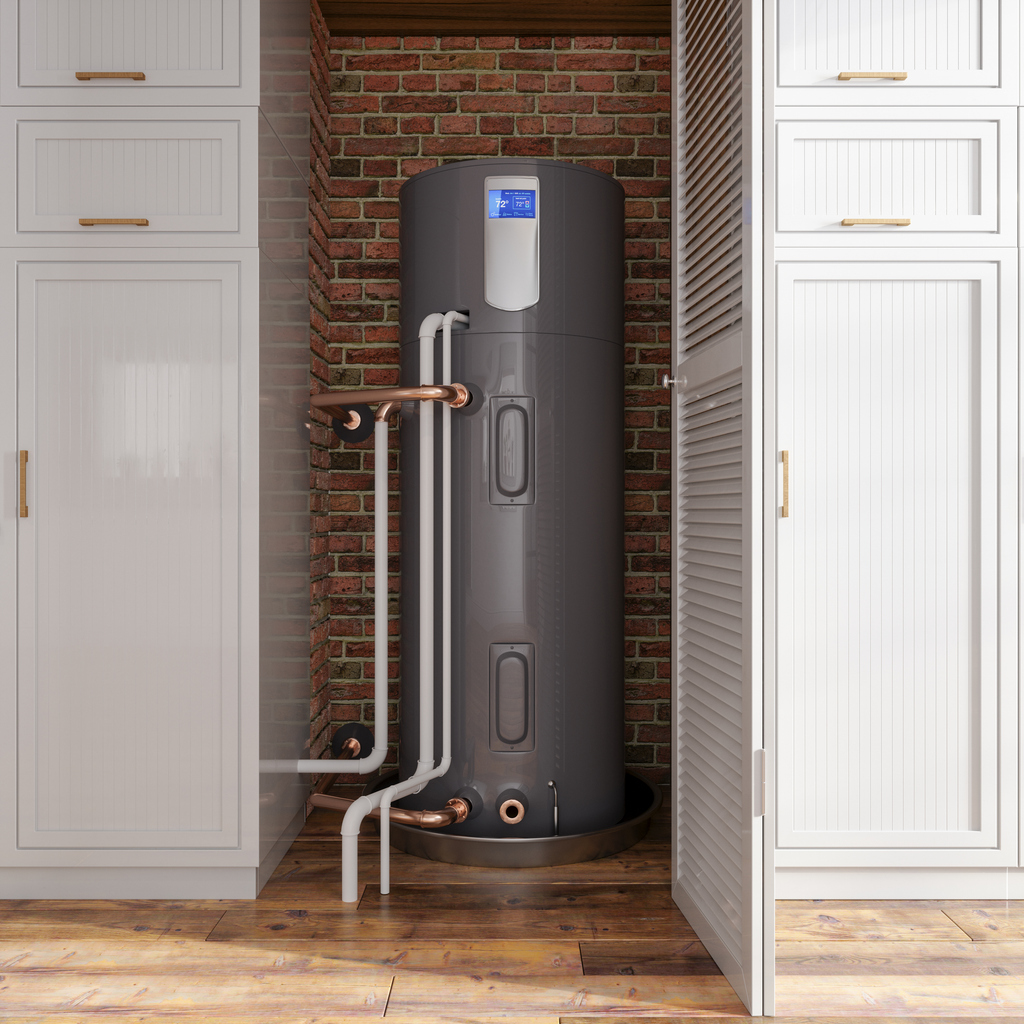

Water heaters are essential appliances in our homes, providing hot water for bathing, cleaning, and cooking. However, when they start leaking, it can be a cause for concern and inconvenience. Understanding why your water heater is leaking is crucial for addressing the issue promptly and effectively. Let’s explore the common causes of water heater leaks and discuss possible solutions you can use.
Common Causes of Water Heater Leaks
Malfunctioning Pressure Relief Valve
One common cause of water heater leaks is a faulty pressure relief valve. This valve is designed to release excess pressure inside the tank to prevent it from exploding. If the valve is malfunctioning or defective, it may continuously release water, causing a leak.
In some cases, the valve may simply need to be replaced to resolve the issue.
Corrosion Within Your Tank
Over time, the interior of the water heater tank can corrode due to the constant exposure to water and minerals. Corrosion weakens the tank's structure, leading to cracks or holes through which water can leak.
Unfortunately, once corrosion has occurred, it's often challenging to repair, and the best solution may be to replace the water heater entirely.
Loose or Damaged Drain Valve
The drain valve at the bottom of the water heater is used for emptying the tank for maintenance or repairs. If this valve is loose or damaged, it can result in a leak.
Tightening or replacing the drain valve can usually resolve the issue and stop the leak.
Loose Connections
Water heaters have various connections for incoming and outgoing water pipes, as well as electrical or gas connections. If any of these connections become loose over time, it can lead to leaks.
Inspecting and tightening these connections regularly can help prevent leaks from occurring.
Excessive Pressure
High water pressure in the plumbing system can put undue stress on the water heater, leading to leaks over time.
Installing a pressure regulator can help control water pressure and prevent leaks from occurring.
Condensation
In humid environments, condensation can form on the exterior of the water heater, especially during colder months. While this moisture isn't a cause for concern, it can sometimes be mistaken for a leak.
Ensuring proper ventilation around the water heater can help reduce condensation buildup.
Sediment Buildup
Mineral sediment can accumulate at the bottom of the water heater tank over time, leading to corrosion and leaks.
Flushing the tank regularly to remove sediment buildup can help extend the life of the water heater and prevent leaks.
Contact Smith's Plumbing, Heating & Air for Expert Assistance
If you're experiencing a water heater leak or any other plumbing issue, don't hesitate to contact Smith's Plumbing, Heating & Air for professional assistance. Our team of experienced plumbers can accurately diagnose the problem and provide timely and effective solutions to restore your water heater's functionality.
Don't let a leaking water heater disrupt your daily routine—reach out to Smith's Plumbing, Heating & Air today by calling (901) 290-1110 for reliable services you can trust.