
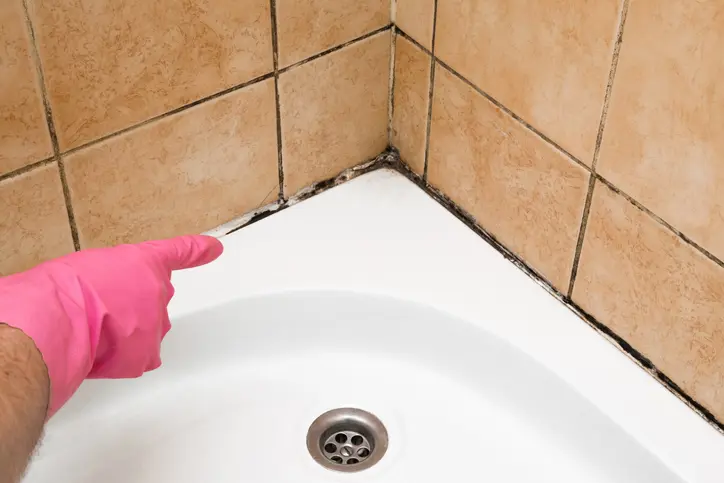
If you have mold in your shower, you're not alone. Mold is a common problem in bathrooms, and it can be tough to get rid of. But don't worry, because there are a few things you can do to get rid of mold for good.
Check for Mold in Hidden Bathroom Areas
Mold isn't always limited to visible shower surfaces. Moisture can accumulate in less noticeable areas of your bathroom, allowing mold and mildew to develop out of sight. Check underneath sinks, around bath fixtures, along shower doors, and near exhaust fans. If you suspect mold is growing behind walls or underneath flooring, contact a professional to assess the affected areas and determine the best way to address the problem.
Tips for Removing Mold from Your Shower
Properly addressing mold in showers is a vital part of maintaining a healthy home environment. The following are a few tips for removing mold from your shower:
- First, the Environmental Protection Agency (EPA) recommends do-it-yourself (DIY) mold removal only in areas covering 10 square feet or less. If the mold infestation exceeds 10 square feet, the EPA suggests consulting a local mold remediation service.
- If you do attempt to remove mold from your shower yourself, make sure to ventilate the area where mold is present by turning on the fan and opening windows when possible.
- You should also wear protective gear such as gloves, goggles, and an N95 respirator before attempting to clean the affected area.
There are a wide variety of solutions you can use to eliminate mold from your shower, including soap and water, store-bought bathroom mold cleaning products, baking soda, and vinegar.
Important Cleaning Safety Tip: Never mix bleach with vinegar, ammonia, hydrogen peroxide, or other household cleaning products. Combining certain cleaning chemicals can release toxic gases or cause dangerous reactions. Always follow the manufacturer's instructions, use one cleaning product at a time, and thoroughly rinse surfaces before switching to a different product.
One effective and frequently recommended method for eliminating mold from your shower involves using bleach:
- Fill a bucket with warm water and add half a cup of bleach. The solution will help dissolve surface mold, kill spores, and eradicate bacteria.
- Use a sponge to apply the mixture to the moldy areas of your shower. Rub the mixture into the moldy patches using firm circular motions until all the mold has been thoroughly covered.
- Allow the solution to sit for at least 15 minutes before scrubbing the area with a bristled brush that has been soaked in the bleach/water mixture.
- Let the mixture sit for 10 minutes before rinsing it off with clean water.
- Repeat the process until all the mold is gone.
- Dry the area completely with a towel to prevent future mold growth. By drying the area completely, surface moisture will be eliminated and mold spores that are lying dormant won't have enough moisture to become active and grow.
Replace Moldy Caulking and Sealant
If mold has penetrated the caulking or sealant around your shower, surface cleaning may not be enough to eliminate the problem. In these situations, removing and replacing the affected caulking can help get rid of lingering mold growth and restore a clean, watertight seal. Make sure the area is completely dry before applying new caulk.
Call Smith's Plumbing, Heating & Air at (901) 290-1110 or reach out to us online today to discuss your situation with our plumbing and bathroom remodeling experts.
.png.2610281743163.webp)