

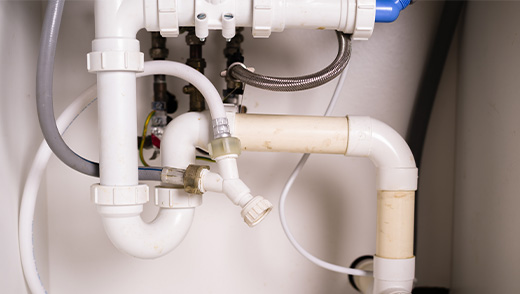
Winter can be harsh on your home’s plumbing. Frozen pipes are not only inconvenient but can also cause extensive water damage if they burst. Taking proactive steps to winterize your plumbing protects your home and ensures that your water system continues to function smoothly throughout the cold months.
Why Pipes Freeze
Water expands as it freezes, which can cause pipes to crack or burst. The most vulnerable pipes are those located in unheated areas such as basements, attics, garages, and exterior walls. Even a small crack can lead to major water damage and costly repairs.
Inspect and Insulate Vulnerable Pipes
Start by identifying pipes that are exposed to cold temperatures. Use pipe insulation sleeves, foam tape, or heat tape to protect these pipes. Insulation helps maintain the water temperature inside the pipes and reduces the risk of freezing. Don’t forget to seal gaps around windows, doors, and foundation areas where cold air may reach pipes.
Keep Water Flowing
Running water, even at a trickle, can prevent pipes from freezing. During extremely cold nights, consider leaving faucets slightly open to allow a continuous flow of water. This is particularly important for pipes that run along exterior walls or through unheated spaces.
Maintain a Consistent Home Temperature
Keep your home heated consistently during the winter months. Avoid dropping the thermostat too low at night or when you’re away. A consistent indoor temperature helps protect interior pipes from freezing and maintains a safe environment for your plumbing system.
Prepare Outdoor Plumbing
Outdoor faucets, irrigation systems, and hose connections are especially prone to freezing. Disconnect hoses, drain water from irrigation systems, and shut off outdoor water supply valves. Cover exterior faucets with insulated faucet covers to provide extra protection.
Know Emergency Measures
Even with precautions, pipes can still freeze. Know the location of your main water shut-off valve so you can quickly stop water flow in case of a burst pipe. Applying gentle heat using a hairdryer or heat lamp can help thaw frozen pipes safely. Avoid using open flames or high-heat devices, which can damage pipes or cause fires.
Take Action Today
Winterizing your plumbing protects your home from frozen pipes, costly repairs, and unexpected water damage. Simple steps such as insulating vulnerable pipes, maintaining a consistent indoor temperature, and preparing outdoor plumbing can make a significant difference. For professional guidance and expert winterization services, contact Smith's Plumbing, Heating & Air at (901) 290-1110. Our experienced team ensures your plumbing is ready for the cold months ahead.
.jpg.2602270819315.webp)