

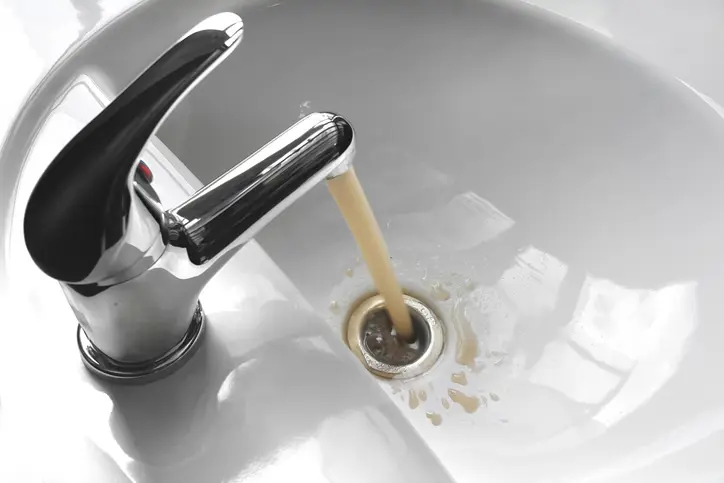
When water emerges from your home’s faucets and showerheads, you expect it to be clean and clear. When it’s not, it becomes a problem that needs an immediate solution. No one wants to drink, cook with, or bathe in water that is brown, yellow, or orange.
Even if it were safe, which in some cases it isn’t, that’s just not how water is supposed to look, and most people will never be okay using discolored water for anything. Bottom line, anyone who has dealt with brown water coming from their faucets and showerheads has probably made figuring out why it is happening and fixing the problem they’re top priority from day one.
Changes in water quality aren't always limited to brown or yellow discoloration. You might also notice blue or green tints, cloudy or milky water, floating particles, or unusual odors coming from your faucets. These changes can have different causes, ranging from harmless air bubbles and naturally occurring minerals to corroding pipes and water quality concerns. Understanding what these changes may indicate can help you determine when your plumbing system needs attention.
Why Is My Home’s Water Not Clear Anymore?
The two most common shades of discolored water are brown and yellow. Water turns these colors for specific reasons. In many instances, a change in water color is often a sign of issues with your water supply or filtration system. Examples of problems that can result in discolored water include:
- Heavy rains and flooding
- Changes to your municipality’s water pressure
- Issues with your filtration system
- Corroded pipes
These issues can lead to your water containing rust, minerals, and other things that impact its color. The following are a few common reasons that your home’s water can become discolored:
- Brown Water – Brown water is often a sign your water contains too much magnesium or oxidized iron, which can be a result of water supply or filtration problems. This can also be the result of rust dislodged from pipes, which can happen following a pipe being repaired or a pipe next to older pipes being replaced. If your water comes from a well, brown water could be a sign your well collapsed or of surface filtration.
- Yellow Water – This color water is usually the result of your water containing too much iron. When the iron is exposed to oxygen, it turns into rust and corrodes your pipes. This eventually results in yellow water. Water main breaks can also lead to yellow water. The break can increase the water pressure in your pipes and stir up sediment that turns your water yellow.
What Does Blue or Green Water Mean?
Water with a blue, green, or blue-green tint may indicate elevated copper levels. This can happen when copper plumbing begins to corrode, allowing small amounts of copper to dissolve into the water supply. You might also notice blue-green stains developing around faucets, sinks, bathtubs, or other plumbing fixtures.
Although copper is naturally present in some water supplies, noticeable discoloration or recurring blue-green staining deserves attention. Have your water tested to determine whether copper levels are elevated, and ask a professional plumber to inspect your pipes for corrosion. Depending on the source of the problem, repairing or replacing deteriorating plumbing may be necessary.
If your water turns brown, yellow, or any other color, you should consult an experienced and trusted plumber right away. In some cases, if your water is discolored, it can be unsafe to consume or use at all. This is information you and your family need to know as soon as possible, so that you can have the issue resolved and get back to living your lives.
Why Is My Water Cloudy or Milky?
Cloudy or milky-looking water isn't always a sign of contamination. In many cases, the appearance is caused by tiny air bubbles trapped in the water. This can happen when water is under pressure inside your plumbing system, particularly during colder weather when cold water can hold more dissolved air.
To determine whether air bubbles are causing the cloudiness, fill a clear glass with water and let it sit for a few seconds. If the water gradually clears as the bubbles rise and escape, the cloudy appearance is likely harmless.
However, if the water remains cloudy, contains visible particles, or has an unusual taste or odor, minerals or other suspended materials may be present. Calcium and magnesium, for example, are common minerals associated with hard water. A water quality test can help determine what's causing the change and whether treatment is necessary.
What Does a Rotten Egg Smell in Your Water Mean?
If your water has a rotten egg smell, it may indicate the presence of hydrogen sulfide gas or sulfur bacteria. This odor is often more noticeable when using hot water and can sometimes be associated with chemical reactions or bacterial activity inside a water heater.
If the smell only occurs when you turn on the hot water, your water heater may be the source of the problem. If both hot and cold water have the same odor, the issue may involve your plumbing system or water supply.
A professional plumber can help identify the source of the odor and recommend appropriate testing or repairs. If you rely on well water, water testing is especially important to determine whether hydrogen sulfide or other contaminants are present.
Unusual water quality changes in homes that rely on private wells may also warrant testing for naturally occurring gases. In some areas, methane can enter groundwater through geological formations or nearby oil and gas activity. Although methane is generally odorless, elevated concentrations can create a potential fire or explosion hazard. If you suspect methane may be present in your well water, contact a qualified water testing professional to evaluate the supply and determine whether treatment is necessary. Do not attempt to treat or aerate potentially methane-contaminated water yourself.
Our Plumbing Experts Are Ready to Help You!
Since 2010, Smith's Plumbing, Heating & Air has successfully helped residential and commercial customers in Memphis solve a wide variety of plumbing problems. Our company is built on honesty and integrity. That’s why we offer upfront pricing, so you never have to worry about surprise charges or fees being added to your final bill. We’re also A+ rated with the Better Business Bureau and boast a long list of satisfied customers.
To learn more about our services, and how we’ve helped customers in the past, check out our reviews.
Ready to speak with our experienced plumbers in Memphis? Give us a call at (901) 290-1110 or get in touch with us online today. Smith's Plumbing, Heating & Air is available 24/7 for emergencies. When you contact us, ask about our specials!
.png.2610281743163.webp)